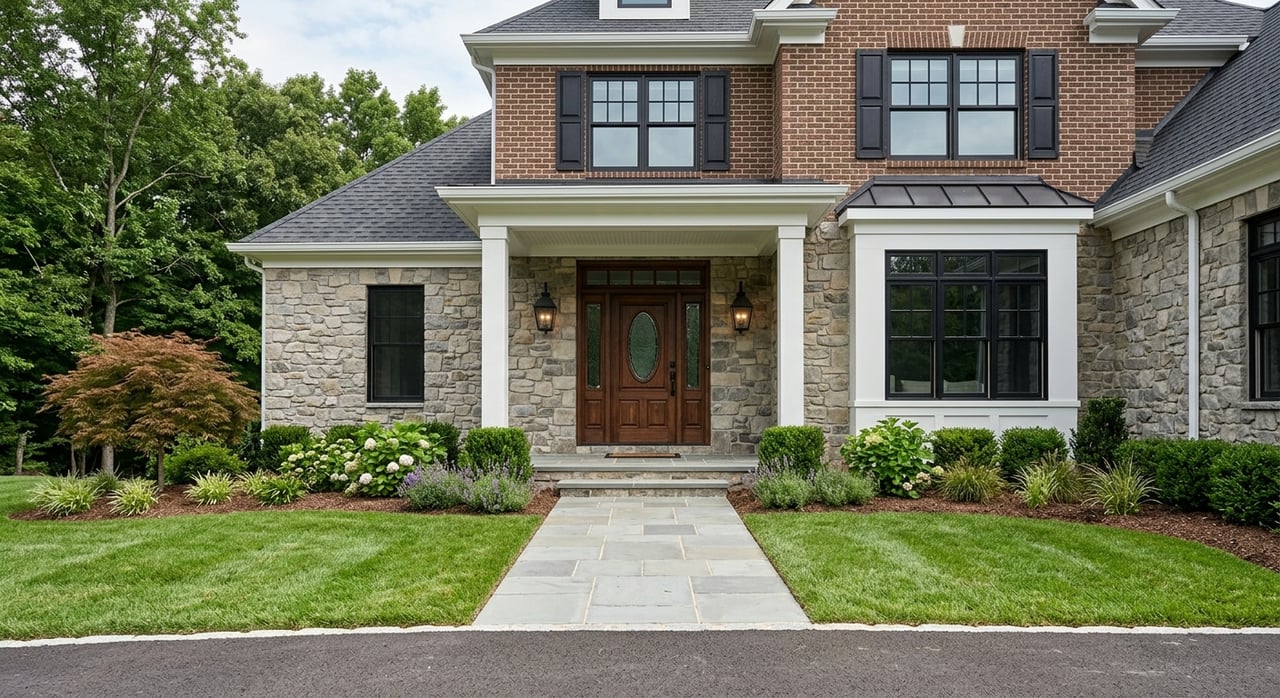
Navigating New Construction In Glen Mills From Lot To Closing
June 18, 2026
June 18, 2026
Thinking about buying new construction in Glen Mills? It can feel exciting on day one and surprisingly complex by week three. Between choosing a lot, reviewing the builder contract, tracking permits, and making sure the home is truly ready for move-in, there are several moving parts to manage. If you understand the process upfront, you can make better decisions and avoid a lot of last-minute stress. Let’s dive in.
A new-construction purchase is not just a standard home sale with a later move-in date. In Glen Mills, you are often buying into a process that unfolds in stages, from lot selection and approvals to inspections, lender deadlines, and final occupancy.
That matters because different parts of the transaction may be handled by different offices and timelines. In Delaware County, permit authority is municipal, not countywide, so the exact township where the lot sits helps determine the approval path, inspection process, and fee schedule.
Before you fall in love with a floor plan, confirm the lot’s municipality. Delaware County has forty-nine separate municipalities, and each one can have its own process for permits, inspections, and land-use review.
This is especially important if you assume everything is handled the same way across Glen Mills. A parcel in one township may follow a different workflow than a parcel just a short drive away.
Local code offices may handle more than permit paperwork. In Thornbury Township, for example, the code department manages permit applications, building inspections, and subdivision and land-development applications, while electrical inspections are handled by a third-party contractor.
For you, that means the timeline is shaped by local logistics as much as by the builder’s construction schedule. Knowing who handles what early can help you set more realistic expectations.
When you buy new construction, you are not only choosing finishes and layout. You are also choosing the lot itself, and that can affect everything from placement on the parcel to drainage and utility access.
Pennsylvania’s permit guidance shows why this matters. A permit site plan should show the size and location of the new construction, boundary lines, distances from lot lines, and street and finish grades.
As you evaluate a homesite, keep these points in mind:
If the home is not connected to public sewer or water, the Delaware County Health Department handles permits for individual and small community on-lot sewage systems and well construction. That adds another layer of review you will want to understand early.
A lot may look straightforward in person but still have details worth confirming in the public record. Delaware County’s Recorder of Deeds preserves deed, mortgage, and subdivision-plan records, which can help confirm how the parcel was created and what subdivision plan applies.
This step can give you a clearer picture of the property before you commit. It is one of the practical ways to look past the sales presentation and focus on the actual lot you are buying.
In Pennsylvania, radon is a known statewide concern. The Pennsylvania Department of Environmental Protection says the statewide building code does not require radon-resistant new construction, though local municipalities may adopt it.
That makes this a smart question to ask before and after closing. The EPA advises buyers of new homes to ask whether radon-resistant features were used and to test the home after move-in.
Builder contracts often look different from resale agreements. You may be asked for an upfront builder deposit, sometimes called earnest money, before the home is complete.
Before you commit, ask when that deposit is refundable. That is a simple question, but it can have a big impact if the timeline changes or if a contract issue comes up later.
As you review the contract, make sure you understand:
These details matter in Pennsylvania because realty transfer tax can get more complicated when a lot sale and construction contract are bundled. The Pennsylvania Department of Revenue says the value of an executory construction contract can be taxable when the contract is effective before or at the same time as title transfer and the seller or developer and builder are affiliated.
Many builders have an affiliated or preferred lender. That does not mean you are required to use that lender.
Consumer guidance says you should compare multiple lenders, even if the builder or agent suggests one. Shopping around can help you compare rates, fees, and loan structure before you make a final decision.
Construction financing does not always move like a traditional mortgage. Construction loans are usually short-term, funded in stages as work progresses, and may either convert to a conventional mortgage or require a new application if they do not convert automatically.
That is one reason rate-lock timing and closing coordination matter so much in new construction. Your financing can be moving forward even while the home is still being finished.
Appraisals are based on comparable nearby sales and consider details like square footage, bedroom and bath count, and year built. In a new-construction community, that can get tricky when there are limited comparable sales.
In practical terms, appraised value may be more sensitive to upgrades, lot differences, and location within the community. That does not automatically create a problem, but it is a good reason to stay organized and understand how your lender is viewing the file.
One of the biggest myths in new construction is that a brand-new home does not need a buyer inspection. It does.
A buyer inspection is separate from local code inspections. Consumer guidance recommends making the purchase contract contingent on financing and a satisfactory inspection, which can give you the ability to cancel without penalty if serious flaws are found.
These are not the same thing:
Both can be important in a new-construction transaction. A home can be moving through code review while you are still evaluating its condition and completion level from a buyer’s perspective.
Even if the house looks finished, there is one more milestone to watch closely. Pennsylvania requires a certificate of occupancy before the home can be used.
That means your closing timeline should account for more than the builder’s internal punch list. You also need the local permit and inspection steps to be complete so the home is cleared for occupancy.
A builder warranty is not the same thing as an optional home warranty or service contract. Federal consumer guidance explains that a builder warranty usually covers permanent parts of the home, while a home warranty is generally a paid service contract.
That distinction matters because buyers sometimes assume every issue will be covered the same way. It is worth reviewing what is included, what is excluded, and exactly how claims must be submitted.
Before closing, ask these warranty questions:
Many new-home warranty disputes are handled through mediation or arbitration rather than ordinary court litigation. The language in the warranty can be just as important as the finishes you selected.
Lender choice is not the only comparison worth making. Consumer guidance also recommends shopping title insurance and settlement services.
Independent settlement agents or attorneys may sometimes offer lower costs or more objective advice. After closing, the deed, mortgage, and related real-property documents are kept in the public record by Delaware County’s Recorder of Deeds.
New construction in Glen Mills can be rewarding, but it works best when the process is organized from the start. Township permits, county health approvals when needed, builder communication, inspections, appraisal timing, lender milestones, and closing documents can all move on different schedules.
That is why having experienced guidance can make such a difference. If you want a clear plan, practical advice, and steady communication as you compare lots, builders, and timelines in Glen Mills, connect with Joshua Hutchinson.
Stay up to date on the latest real estate trends.
Get assistance in determining current property value, crafting a competitive offer, writing and negotiating a contract, and much more. Contact Joshua today to discuss all your real estate needs!