Your Guide to Living in West Chester PA
July 2, 2026
July 2, 2026
Wondering if West Chester, PA gives you the best of both worlds? If you want a place with a true downtown, distinctive architecture, and day-to-day convenience, West Chester often stands out quickly. Whether you are planning a move, comparing Chester County communities, or deciding if borough living fits your lifestyle, this guide will help you understand what makes West Chester unique. Let’s dive in.
West Chester Borough is the county seat of Chester County in the Brandywine Valley, about 30 miles west of Philadelphia. It is a compact community with a strong regional identity, which is one reason it often comes up in searches alongside other Delaware Valley suburbs.
The borough covers just 1.85 square miles and had a population of 18,671 in the 2020 Census. Recent Census profile data also shows a median household income of $78,385, a median home value of $490,700, a median gross rent of $1,731, and a mean travel time to work of 20.9 minutes. Altogether, those numbers point to a place that feels more mixed-use and connected than a typical spread-out suburb.
One of the biggest draws of living in West Chester, PA is its historic setting. Downtown West Chester is part of a historic district listed on the National Register of Historic Places since 1987, and the borough also established a municipal historic district in 1989.
That historic identity is not just a label. In much of the downtown historic district, property owners need Historic Architecture Review Board approval before a building permit is issued. If you are considering a home or building in the historic core, it is important to understand that exterior changes may involve another layer of review.
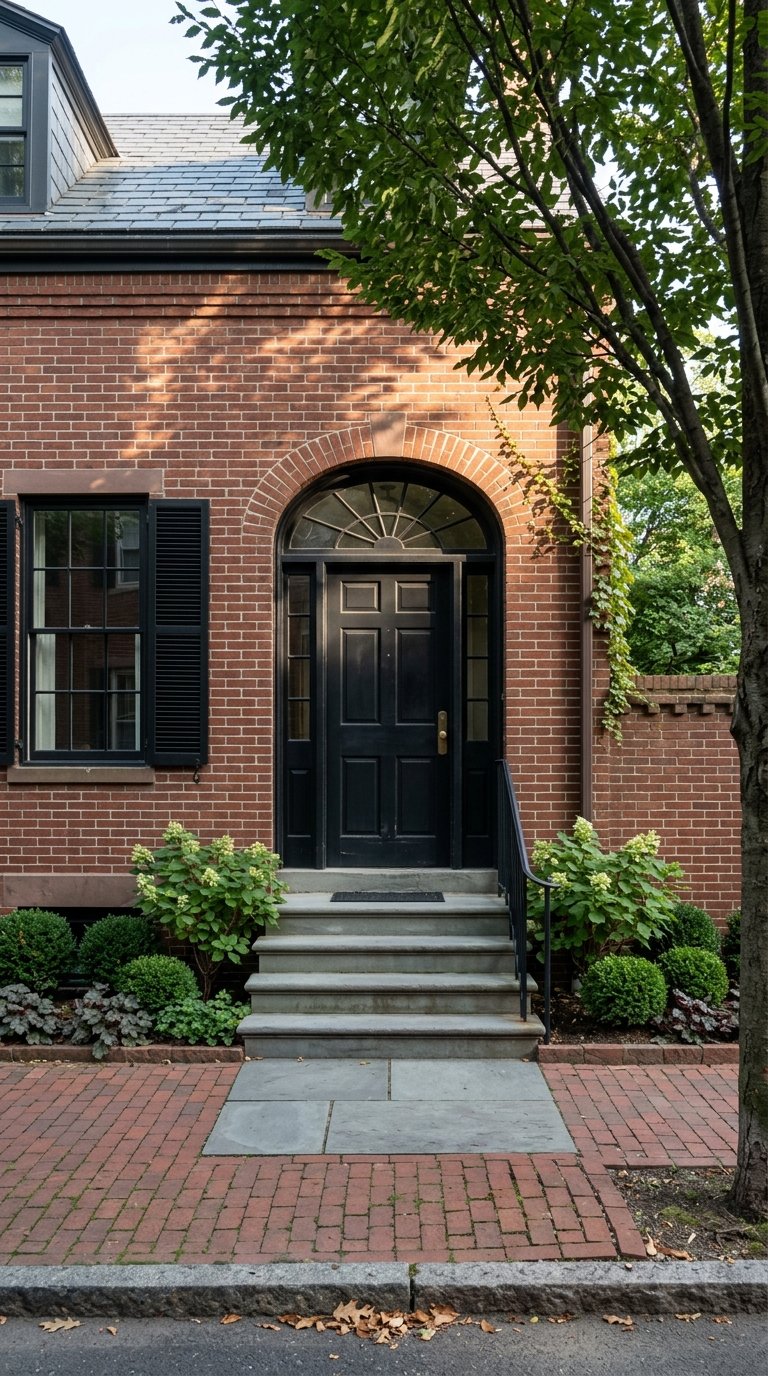
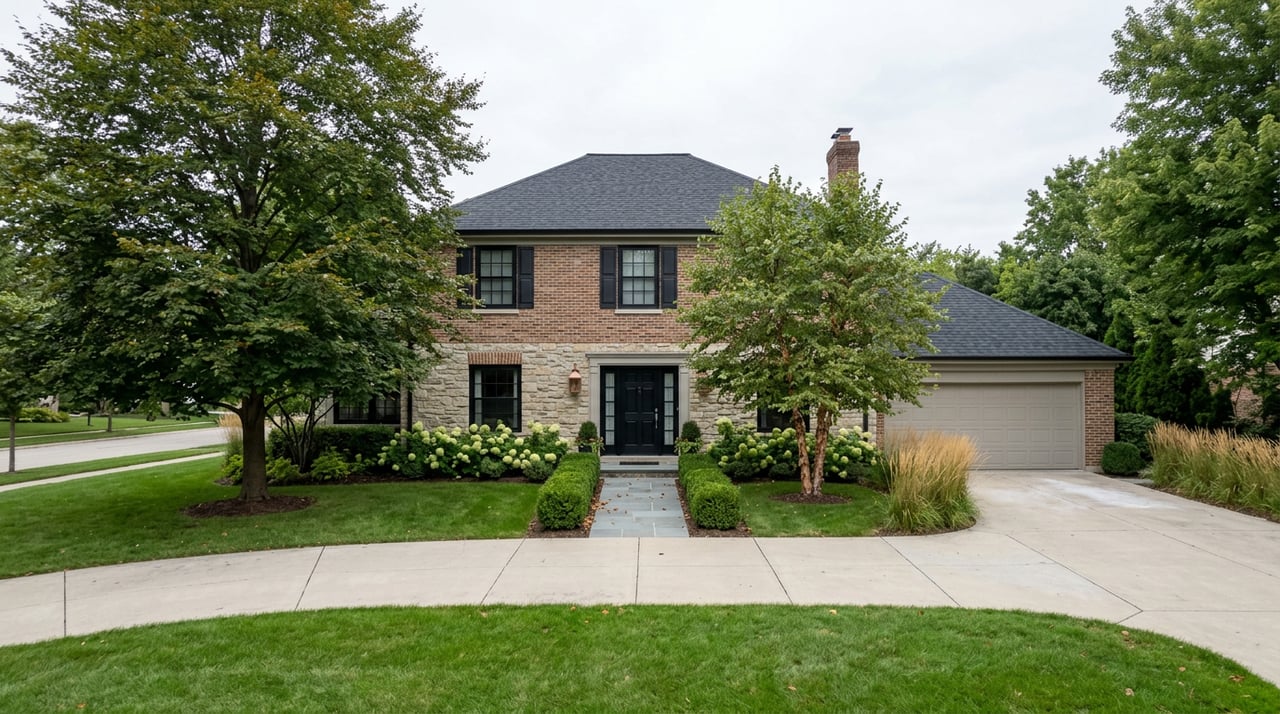
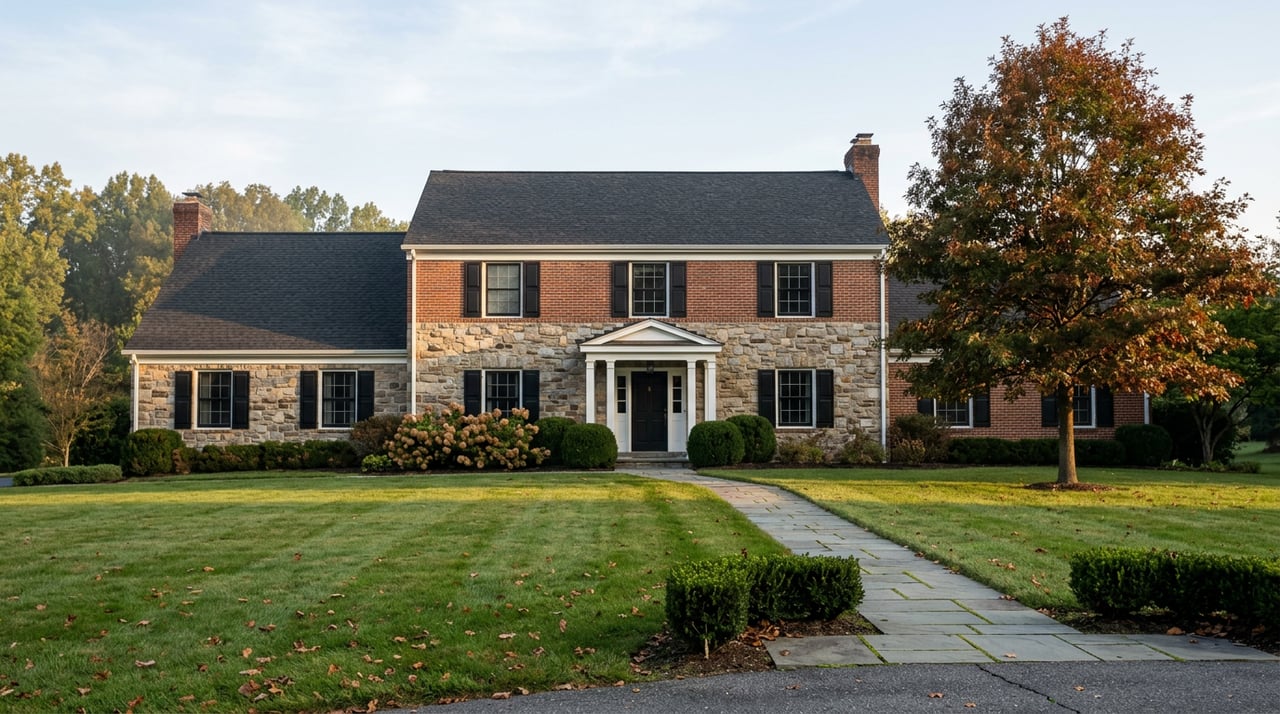
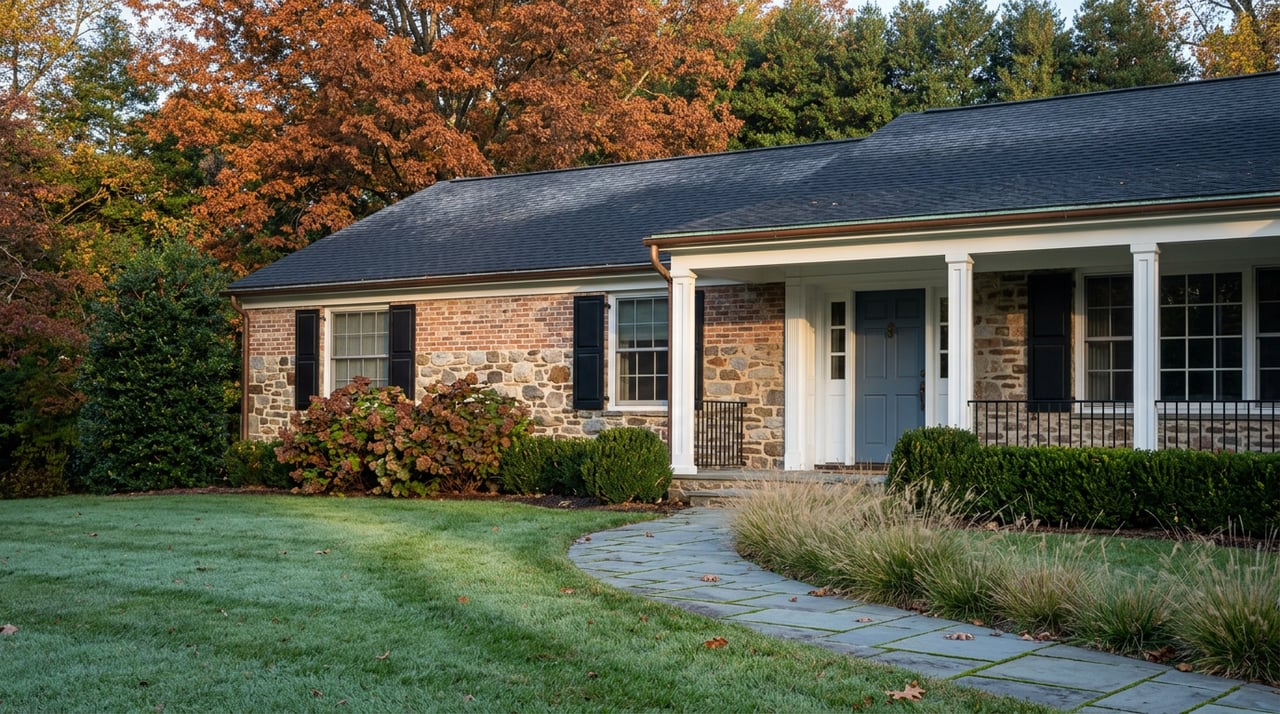
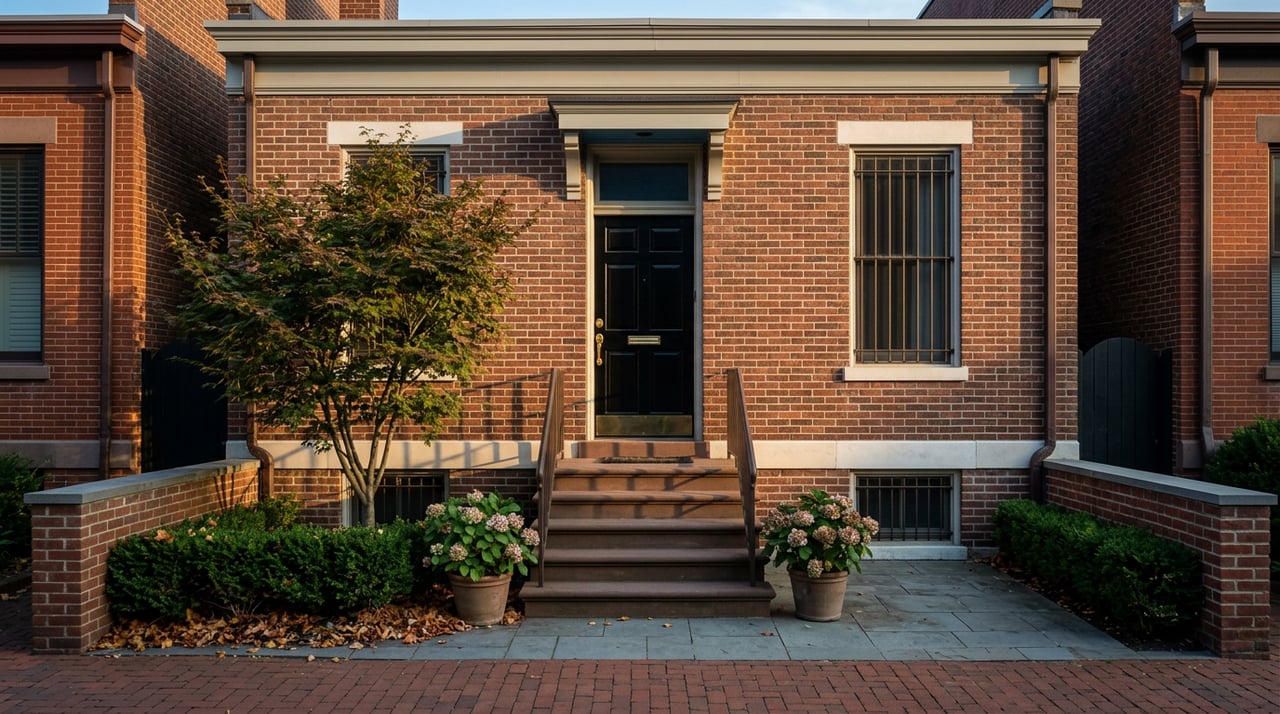
West Chester has a recognizable built character. Borough design guidance highlights abundant Federal-style buildings, important Greek Revival structures, brick construction, and the use of locally quarried serpentine stone.
That means the charm here often feels authentic rather than manufactured. As you move through the borough, you can see a strong sense of continuity in the streetscape, especially in and around the downtown core.
West Chester’s urban-center planning describes downtown as a network of interconnected streets, alleys, and sidewalks with compact mixed-use neighborhoods. In practical terms, that supports a lifestyle where you may find it easier to move around on foot and enjoy a more connected daily routine.
There is also a noticeable transition from the active center to quieter residential blocks. That balance appeals to many buyers who want access to downtown activity without giving up the feel of a neighborhood setting.
The downtown core is backed by the West Chester Business Improvement District, which was established in 2000. Its purpose is to support long-term economic growth, customer traffic, and business retention and attraction.
For you as a buyer or seller, that matters because it reflects sustained investment in the heart of the borough. A downtown with organized support often adds to the appeal of the overall community experience.
West Chester offers more than a nice streetscape. The borough’s Parks & Recreation department manages park rentals, special events, and broader parks and open-space planning, which helps create a steady rhythm of community activity throughout the year.
Current borough-sponsored events include the Turk’s Head Music Festival, the West Chester Restaurant and Food Truck Festival, the Halloween Parade, concerts in the parks, movies in the parks, and seasonal family programming. If you value a town that feels active and engaged, that event calendar is a meaningful part of local life.
Several borough parks stand out as everyday lifestyle assets:
Beyond the borough, Chester County manages seven regional park sites and offers a Trailfinder resource through its Parks + Trails division. That gives residents access to a broader recreation network than the borough alone could provide.
If you are comparing commuter-friendly towns, West Chester has a solid transportation story even without a rail station inside the borough. SEPTA bus routes 92 and 104 serve the West Chester Transportation Center, Route 104 also runs along High Street with service to Philadelphia, and Route 135 connects to Coatesville.
West Chester University also notes transit connections to nearby destinations such as Exton, Malvern, King of Prussia, Kennett Square, West Grove, and Oxford. That network can be useful if you want flexibility for work, school, or day-to-day errands.
For train access, Exton Station is an important link. SEPTA’s Paoli/Thorndale Regional Rail line serves Exton, and Amtrak’s Keystone Service and Pennsylvanian also stop there.
West Chester University’s shuttle connects riders from campus to Exton Station, which adds another regional connection point. For many residents, that nearby rail option helps strengthen West Chester’s appeal as a commuter location.
Parking in downtown West Chester is managed carefully rather than widely abundant. The borough operates two garages, several flat lots, and on-street meters, and the residential permit program applies to homeowners, renters, and approved student housing.
Some streets also have a three-hour on-street limit. If you are buying or selling in the borough, parking access and permit logistics can be worth discussing early, especially for homes close to the downtown core.
West Chester’s housing profile points to a community with a mix of older homes, apartments, and smaller households, particularly near downtown and the university. The owner-occupied housing rate is 35.4%, which helps explain why the borough can feel different from more traditional suburban neighborhoods dominated by detached owner-occupied homes.
For buyers, that means your options may include a range of housing types and settings depending on how close you want to be to the center of town. For sellers, it suggests that features like walkability, historic character, and proximity to transit or parking resources may matter more here than they would in a more car-dependent subdivision.
West Chester often attracts attention from people comparing southeastern Pennsylvania, northern Delaware, and the greater Philadelphia area. Its location in Chester County, its proximity to Philadelphia, and its ties to the broader Delaware Valley make it a natural option for cross-shopping buyers.
What tends to set it apart is the combination of a historic downtown, compact borough scale, transit access, and year-round civic programming. If you want a place with a more established small-town core, West Chester may offer something that feels harder to find in newer suburban areas.
Living in West Chester, PA can be especially appealing if you want character, community activity, and a location that supports both local routines and regional access. The borough’s size, housing mix, and historic framework create a lifestyle that feels distinct from more spread-out suburban communities.
At the same time, your best fit depends on what matters most to you. If you value walkability, architecture, parks, and a true downtown environment, West Chester deserves a close look. If you are planning a move and want help comparing West Chester with other communities across Pennsylvania, Delaware, Maryland, or New Jersey, Joshua Hutchinson can help you make a confident, well-informed decision.
Stay up to date on the latest real estate trends.
Get assistance in determining current property value, crafting a competitive offer, writing and negotiating a contract, and much more. Contact Joshua today to discuss all your real estate needs!