Newtown Square Seller Requirements That Actually Apply
September 17, 2026
September 17, 2026
A homeowner in Newtown Square gets ready to list this fall, searches for what the township requires before closing, and lands on a plumbing company's website. The site says Newtown Township requires an inspection before settlement can happen. The relevant code provisions cover both residential sales and nonresidential compliance certificates.
Newtown Township's Property Maintenance Code, Chapter 127, does require a licensed-contractor video inspection of the sanitary sewer lateral, complete with a recording presented to the township. That requirement sits under the section governing nonresidential code compliance certificates. Residential sellers operate under a different, shorter list. The distinction matters because the requirements differ for residential and nonresidential sales.
Selling a house in Newtown Township involves two separate pieces of paperwork, and they run on two different clocks.
The first is an application for a certificate of use and occupancy, governed by Chapter 69 of the township code. That application has to be filed by the seller not later than the date the agreement of sale is executed, which means it belongs on the to-do list before the ink is even dry on the contract, not in the settlement folder. It carries a $75 fee for residential properties, and the township has five business days from receipt to inspect. What the inspector is actually checking has nothing to do with plumbing: house numbers at least four inches high, made of reflective material, visible from the street, plus sidewalks, driveway aprons, and curbing in acceptable condition. If a violation turns up, the seller gets three business days' notice describing exactly what to fix.
The second filing is the residential code compliance certificate under Chapter 127, and this one has to reach the buyer no later than the settlement date. It covers a specific, short list: GFCI outlets in bathrooms and near sinks, sump pumps and roof downspouts disconnected from the sanitary sewer or septic system, and, for homes with a backflow preventer installed, documentation that the device has been tested within the past 12 months. That certificate is filed under Pennsylvania's Municipal Code and Ordinance Compliance Act, the state law that governs exactly this kind of point-of-sale inspection statewide.
Nowhere in the residential version of that list does a sewer camera appear.
The video inspection shows up one section later in the same chapter, under the requirements for a nonresidential code compliance certificate. A commercial building changing hands in Newtown Township needs a licensed contractor to scope the lateral, record it, and certify compliance with the township's inflow-and-infiltration rules. A single-family home changing hands does not carry that same obligation under the township's own code.
The township code distinguishes the sewer inspection requirements for residential and nonresidential code compliance certificates: the video inspection applies to nonresidential transfers, not residential sales.
Anyone unsure which category their sale falls into should call the township's Building, Planning and Code Enforcement Department directly to confirm which requirements apply before paying for an inspection.
Newtown Township's rules would matter less if they matched every neighboring municipality, but Delaware County's sewer-related resale requirements vary block by block, township by township, in ways that catch relocating buyers off guard almost as often as they catch sellers.
| Township | What happens at resale |
|---|---|
| Newtown (Newtown Square) | No video sewer lateral inspection for residential sales; sump pump and downspout disconnection is certified as part of the Chapter 127 compliance certificate |
| Radnor | The Pipe Shark reports that township personnel perform their own sewer inspection before a certificate of occupancy will be issued |
| Marple | Marple Township says its resale inspection covers sidewalks, driveway aprons, curbing, and debris; no sewer lateral requirement |
| Rose Valley | A sewer lateral inspection is required before resale, waived if the development is under 15 years old |
| Middletown | A dedicated Inflow-and-Infiltration Coordinator inspects homes being sold for improper stormwater connections |
A buyer comparing a listing in Newtown Square against one in neighboring Radnor Township is comparing two entirely different resale processes, not just two different price tags. A seller who assumes their neighbor's township rules apply to their own address is the person who finds out the hard way, usually during the week they had planned to finalize repairs.
Even when a violation does turn up, Pennsylvania law limits how much leverage a township inspection actually hands a buyer or a municipality. Before 2016, some municipal inspectors withheld occupancy permits over minor point-of-sale findings, which stalled or killed closings outright. The Municipal Code and Ordinance Compliance Act, amended by Act 133 that year, changed that. A municipality cannot refuse a use and occupancy certificate based on ordinary violations found during a resale inspection. If the inspection finds a violation but nothing that rises to a substantial violation, the township issues the certificate anyway, along with a temporary use and occupancy certificate, and the new owner gets up to 12 months to correct the issue.
That protection matters for anyone listing in Newtown Square this fall specifically. Chapter 69 includes its own version of the same flexibility: if weather conditions prevent a seller from finishing sidewalk repairs or installing compliant house numbers before closing, the township can set a dollar value for the remaining work and let the seller escrow those funds instead of holding up settlement. A cracked section of sidewalk discovered in October, with a paving crew booked solid through December, does not have to become a closing-day crisis. It becomes a number in an escrow account.
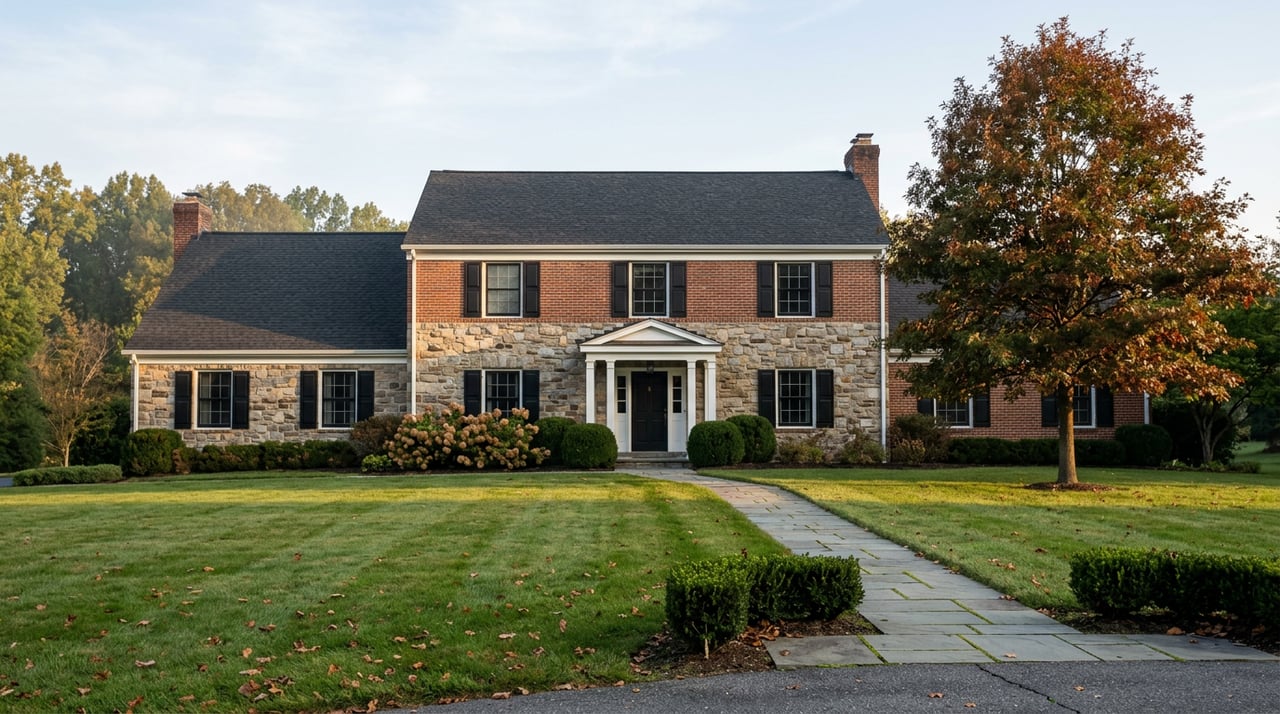
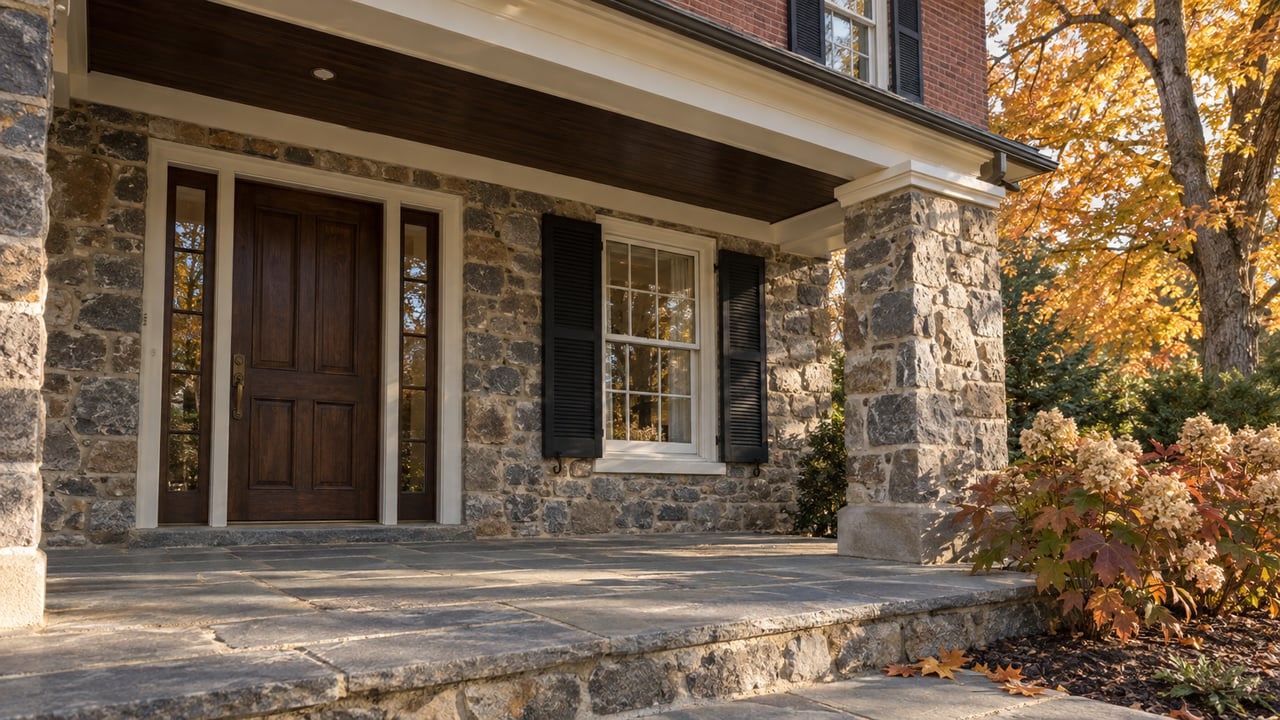
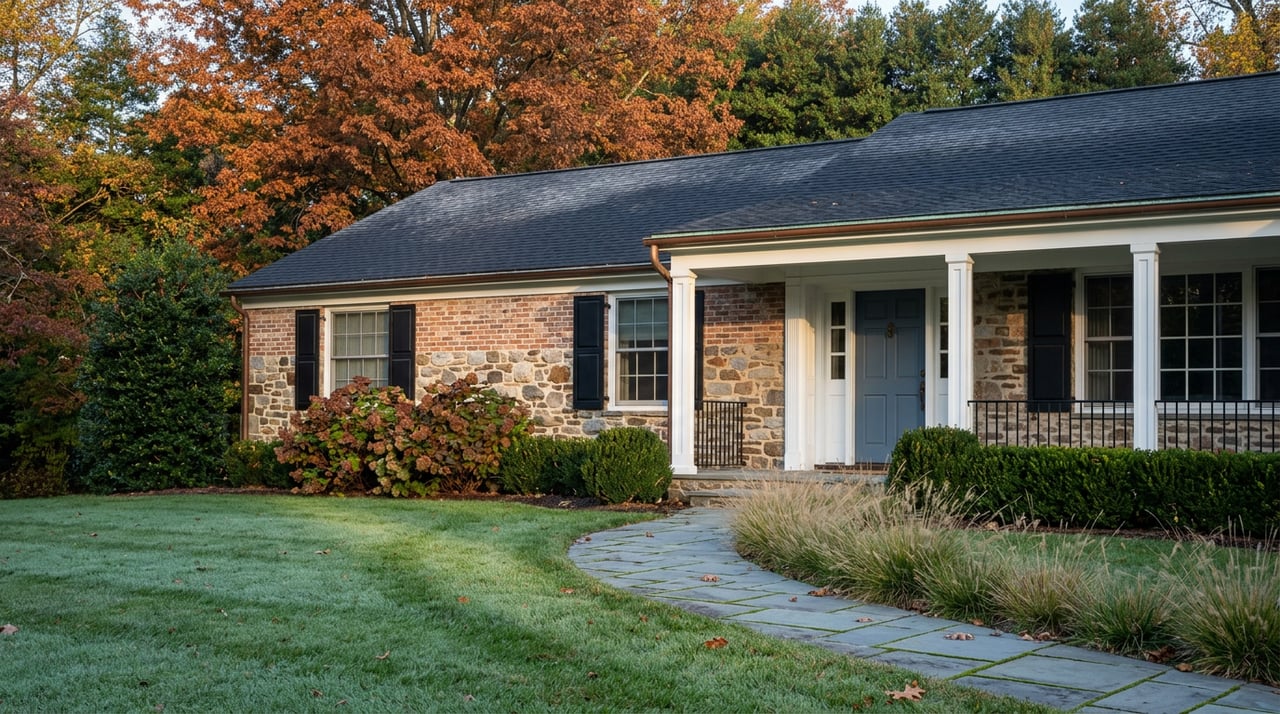
Newtown Square's housing stock spans stone farmhouses dating back toward the township's 1684 incorporation, postwar colonials built as the area turned from farmland into a bedroom community, and newer construction in communities like Liseter and Runnymeade Farms. That range matters here because older properties are the ones most likely to trip a Chapter 127 finding on GFCI coverage or a legacy sump pump connection nobody has looked at in decades. Newer construction is less likely to trigger those specific violations but still has to clear the same application timeline.
The practical sequence for anyone selling in Newtown Square looks like this: file the use and occupancy application no later than the date the agreement of sale is executed. Walk the property for GFCI coverage, sump pump and downspout connections, and backflow preventer documentation before the township inspector does. Confirm directly with the township whether a sewer lateral inspection applies to your specific transaction. If outdoor work can't be finished before the ground freezes, ask about the escrow option.
Does Newtown Township require a sewer lateral video inspection to sell a house? Not for a residential sale under the current property maintenance code. That video-inspection requirement applies to nonresidential code compliance certificates. Confirm directly with the township's code enforcement office if your situation is unusual.
When does the use and occupancy application need to be filed? By the date the agreement of sale is executed, not the settlement date. The township has five business days to inspect once the application is received.
What if a repair, like a sidewalk, can't be finished before closing because of weather? The township code allows sellers to escrow funds for the estimated cost of the remaining work rather than delay settlement, and Pennsylvania's Municipal Code and Ordinance Compliance Act gives buyers up to 12 months to correct ordinary violations found at resale.
Selling in Newtown Square involves real paperwork, real deadlines, and a few requirements that genuinely differ from the township next door. Following the applicable steps can help keep a fall closing on schedule. If you're weighing a sale in Newtown Square or comparing it against a neighboring Delaware County township, Joshua Hutchinson can walk through exactly what your specific address requires before you list.
This article is general information, not legal, tax or financial advice. Consult a qualified professional about your situation.
Stay up to date on the latest real estate trends.

Get assistance in determining current property value, crafting a competitive offer, writing and negotiating a contract, and much more. Contact Joshua today to discuss all your real estate needs!