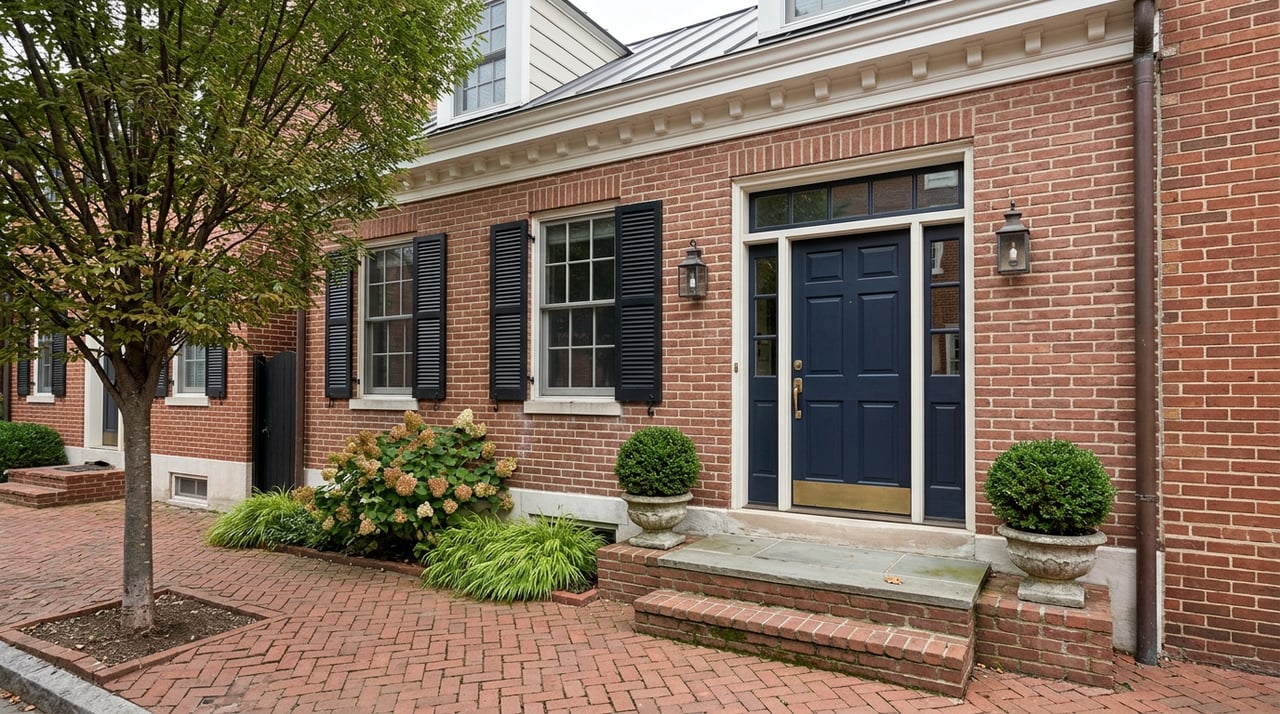
Selling A Historic Home In West Chester Borough: What The Timeline Actually Requires
August 13, 2026
August 13, 2026
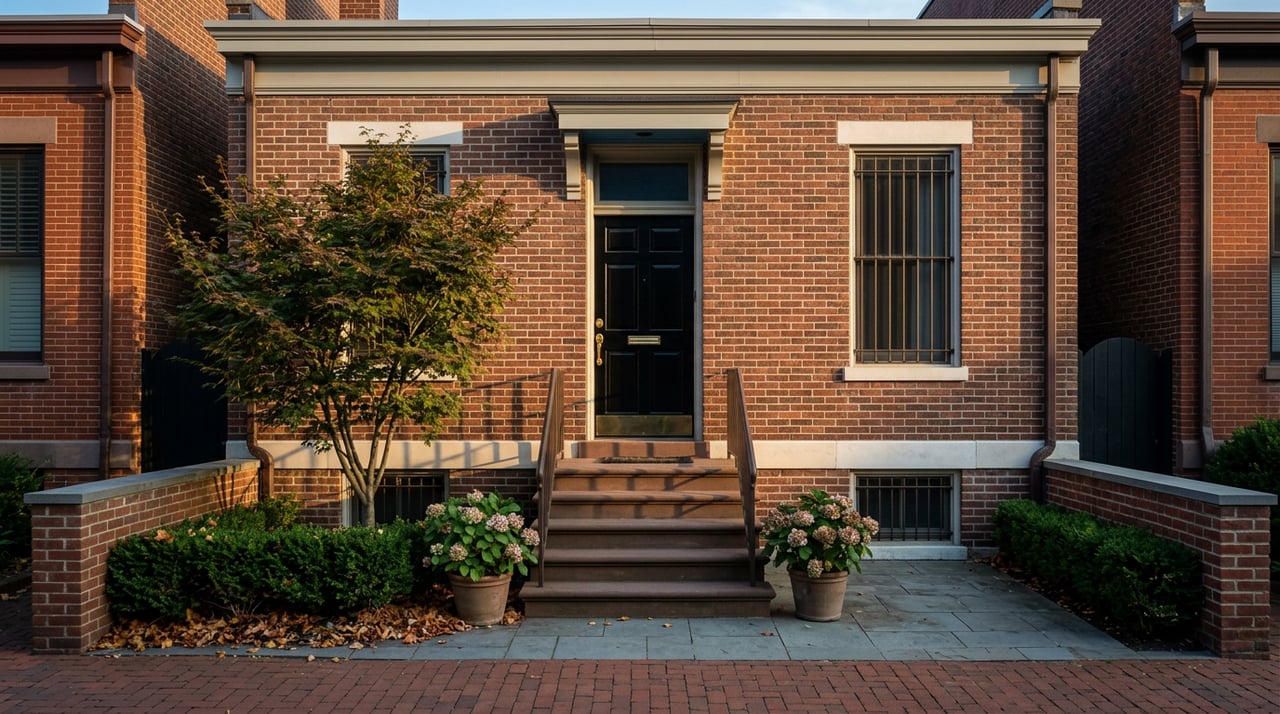
A homeowner getting ready to list a rowhouse near Gay Street might spend a Saturday touching up the trim, swapping a tired storm door, or adding a picket fence along the walk before the photographer arrives. Almost anywhere else in Chester County, that is a weekend chore. Inside the West Chester Historic District, it can be the reason a listing date slides by a month.
That is the piece of this market sellers tend to learn the hard way. The same designation that makes homes in the historic district some of the best long-term performers in the borough can also require HARB review for exterior changes visible from a public way that alter a building's architectural character.
West Chester Borough's Historical and Architectural Review Board reviews exterior changes inside the historic district that are visible from a public way and alter a building's architectural character before a building permit can be issued. The borough's own ordinance language is direct about scope: no structure in the district may have its exterior architectural character altered "in whole or part" until the application has gone through HARB and been approved by Borough Council. That single clause is doing a lot of work: it does not carve out an exception for small jobs that alter exterior architectural character.
HARB meets once a month, on the last Thursday, and applications are due at least ten days ahead of that meeting. Whatever HARB recommends still has to clear a separate vote at Borough Council, which uses the same review criteria and can hold an application for further discussion rather than approving it on the spot. Two review bodies, two schedules, one calendar most sellers never think to check until they are already committed to a listing date.
The design guidelines even list what an applicant is expected to submit alongside a completed form: material and paint samples where applicable. Paint color on a front door is not treated as a matter of personal taste inside this district. It is a submission item.
Renovators planning a kitchen gut or a rear addition generally know to call the borough first. Sellers preparing a listing should check whether seemingly minor projects require HARB review, including a new front door before the photographer comes, a repainted shutter color to match a staged look, or a fence added for curb appeal. If any of it is visible from a public way and changes the exterior architectural character, it falls under the same ordinance that governs additions and demolitions.
A practical first step is to call the borough's Building Inspector before any exterior work begins, not after a listing date is already set. Given the monthly meeting cadence and the follow-on Borough Council vote, a seller who assumes a two-week turnaround can end up waiting through more than one meeting cycle.
The designation affects both exterior reviews and long-term market value. Long-run sales data compiled across the borough, drawn from more than three decades of public records and updated as of spring 2026, shows homes inside the historic district outperforming the broader West Chester area by roughly 28 percent, with a median sale price near $610,000 and average seller gains around $375,000 over the holding period. Some individual properties in that dataset more than doubled in value.
That is not a claim about this month's market. It is a claim about what buyers have consistently paid to own a piece of a district first designated in 1985 and expanded in 2005 to cover close to 80 percent of the borough, including work by architects William Strickland and Thomas U. Walter that helped earn West Chester the nickname "The Athens of Pennsylvania" and later a spot on the National Trust for Historic Preservation's list of Dozen Distinctive Destinations.
One example from earlier this year of what that premium rewards: Bleecker Hall, a roughly 7,500-square-foot 1870s mansion in the borough, went through a two-year renovation that added a new parlor, a modernized kitchen, and larger bathrooms while keeping the home's original character intact. The project earned a Historic Preservation Award from the West Chester Downtown Foundation, according to reporting in Vista Today. The market is not just tolerating preservation-minded work in this district. It is recognizing it.
The same housing stock that carries this premium is old enough to carry real inspection risk. More than 3,000 of the borough's roughly 7,200 housing units went up before 1940, which means knob-and-tube wiring, cast iron plumbing, and plaster walls show up regularly alongside fully updated systems.
One item inspectors flag specifically in the borough is the sewer lateral. Older properties, particularly in West Chester and the surrounding historic villages, often sit on aging clay and cast iron lines prone to root intrusion and collapse, and a camera scope before closing is the only reliable way to know what condition that line is actually in, according to ValueGuard Inspections, which serves the county. A sewer scope is not standard on every inspection everywhere. In this housing stock, it is close to essential.
Pennsylvania's Real Estate Seller Disclosure Law does not distinguish between a 2015 build and an 1870s rowhouse. Sellers must disclose known material defects, meaning problems with a significant adverse impact on value or that create an unreasonable risk to people on the property, under 68 Pa.C.S. §§7301 to 7314. The disclosure form itself runs more than 70 items and covers everything from roof condition to termite history to underground tanks.
Two provisions matter more here than in newer construction. According to Ridley, lead paint disclosure is required for any home built before 1978, which describes most of the borough's pre-war stock. And the disclosure duty does not end at closing. Under the statute, Lynch Law Group explains that a buyer has up to two years from closing to bring a claim if information on the form turns out to have been inaccurate, so a seller's obligation to correct anything they later learn was wrong continues well past settlement.
Sellers who are unsure whether something rises to the level of a material defect are generally better off disclosing it or fixing it first.
Chester County sits in the EPA's Radon Zone 1, the highest risk category, and West Chester's mix of historic foundations and newer additions means every foundation type in the borough is worth testing. A short-term test typically runs $150 to $250 and is standard practice as part of a home inspection here. If a result comes back above the EPA's action level of 4.0 pCi/L, mitigation systems in West Chester typically cost between $800 and $2,000, and a seller who tests before listing has room to address it on their own terms rather than under a buyer's contingency clock.
For a seller planning to list a home inside the historic district, the sequence that avoids delays looks like this:
Does every exterior project need HARB approval, or just major renovations? The ordinance language covers any alteration to a structure's exterior architectural character visible from a public way, not just large-scale work. That is why paint and door swaps belong on the same checklist as additions.
How long does the review actually take? HARB meets monthly, and Borough Council reviews and votes separately afterward. A project that misses the ten-day application window for one month's meeting waits for the next cycle, and Council's own agenda can add further time before a final certificate is issued.
My home already has a radon mitigation system. Do I need to do anything before listing? Systems older than five years are generally worth having inspected, since the EPA recommends retesting mitigation systems every two years and most manufacturer warranties on the fans expire around five years. A pre-listing inspection avoids a system failure becoming a contingency issue mid-contract.
Selling in the historic district rewards patience with real numbers, but it also requires attention to a home's age, condition, and review requirements. If you are planning a sale inside West Chester Borough and want a second set of eyes on the timeline before you touch a paintbrush, Joshua Hutchinson works this market regularly and can help you sequence the approvals, the inspections, and the listing so nothing catches you mid-process. Let's Connect.
This article is general information, not legal, tax or financial advice. Consult a qualified professional about your situation.
Stay up to date on the latest real estate trends.
Get assistance in determining current property value, crafting a competitive offer, writing and negotiating a contract, and much more. Contact Joshua today to discuss all your real estate needs!